



export@cntjtent.com
+86 15613206703
When buyers compare inflatable tent quotations, two numbers cause the most friction: the minimum order quantity and the unit price. Both are often presented as fixed, and both are frequently misunderstood. This guide explains where the inflatable tent MOQ actually comes from, how the wholesale tent price is built up line by line, and which levers genuinely move the number — written from the manufacturer's side of the table so you know what to push on and what to leave alone.
For a quotation based on your own quantities and specification, send your requirement to export@cntjtent.com.
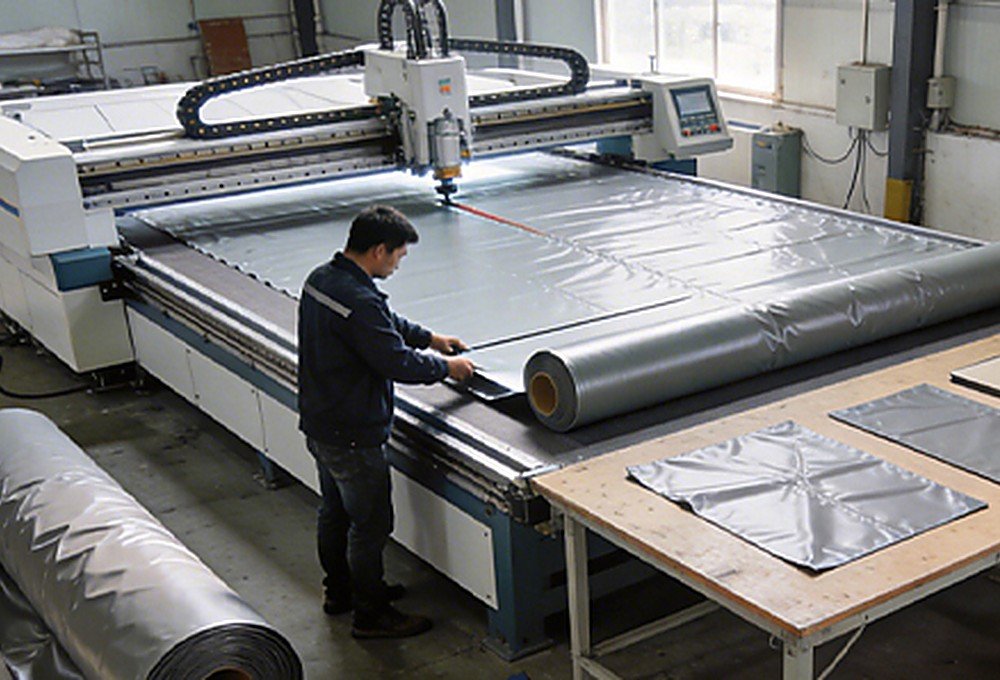
A minimum order quantity is not an arbitrary gate. For an inflatable tent it is the sum of several upstream minimums, and understanding them makes negotiation far easier:
In practice this means standard models in stock colours can start around 30–100 units, while a custom colour, custom print or heavily modified model usually starts around 200–300 units. If a supplier quotes an unusually low MOQ on a fully custom tent, it is worth asking which of these minimums they are absorbing — or skipping.
Unit prices differ between factories mainly because the cost blocks below are weighted differently. The ranges below are typical for a mid-size inflatable camping or glamping tent, quoted ex-works:
| Cost block | Typical share | What moves it |
|---|---|---|
| Fabric and materials (shell, air columns or drop-stitch bladders, floor) | 45–55% | Fabric weight (GSM), PVC vs TPU, coating quality, floor material |
| Welding and sewing labour | 12–18% | Number of air chambers, seam complexity, in-line QC stations |
| Valves and hardware | 6–10% | Valve type and origin, zippers, D-rings, stakes and poles |
| Accessories | 6–10% | Pump, repair kit, guy lines, pegs, carry bag spec |
| Printing and branding | 2–6% | Print method (digital / silk-screen / heat transfer) and coverage area |
| Packaging | 2–4% | Inner bag quality, carton spec, retail-ready requirements |
| Overhead and margin | 15–25% | Order size, testing and certification, tooling amortization |
The practical takeaway: more than half of the price sits in materials. That is why two quotes for the “same” tent can differ by 30% — a 420D oxford shell and a 500GSM PVC tarpaulin shell may look similar in photos and behave very differently over a season of commercial use.
When you want a lower price, these are the variables worth discussing, in order of impact:
What does not move the price much: asking three more factories to quote the same vague specification. Without a defined fabric spec, air structure and accessories list, you are comparing different products, not different prices.
MOQ flexibility is almost always available — in exchange for something. The trade-offs that work well in practice:

To get a serious price in one round instead of five, include:
Send that list to export@cntjtent.com and you will receive a line-item quotation rather than a single number — so you can see exactly which specification choices are driving the cost, and adjust before committing. LITAIANTOUR manufactures inflatable camping, glamping and trade-show tents in Tianjin, China, and supports OEM/ODM development from sample through bulk production.
Contact: Litai
Phone: 15613206703
E-mail: export@cntjtent.com
Whatsapp: +86 15613206703
Add: Tianjin Wuqing District entrepreneurial headquarters base c05