



export@cntjtent.com
+86 15613206703
Condensation is one of the most common issues reported by inflatable tent owners — and one of the most misunderstood. Many people assume that a wet inner fabric means the tent is leaking. In reality, most of the moisture you see inside a tent was generated by the people and gear inside it, not by rain coming through the fabric.
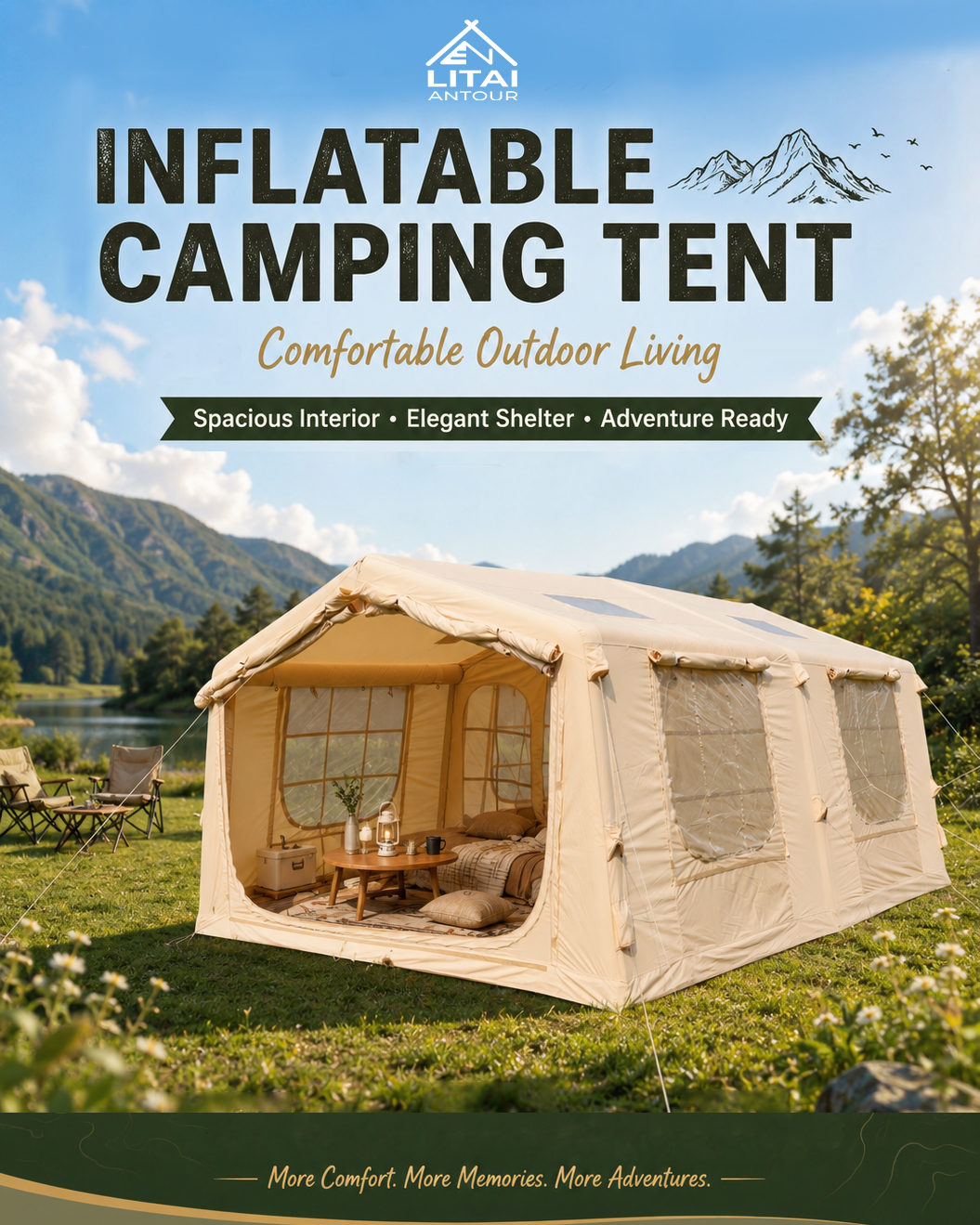
For campsite operators, glamping resorts and rental businesses, understanding condensation matters for two reasons: it directly affects guest comfort, and it affects how you specify tents for a bulk order. This guide explains what causes condensation in inflatable tents, how to tell it apart from a genuine leak, and the practical steps you can take to reduce it.
Before you report a "leak" to your supplier, take ten minutes to confirm which problem you actually have. The fix is completely different, and treating condensation as a leak will not solve anything.
| What you observe | Condensation | Leaking |
|---|---|---|
| Where the water is | Inner surface, spread over large areas | A specific point, seam or zip line |
| When it appears | Overnight and early morning, often without rain | During or shortly after rainfall |
| Pattern | Even film or fine droplets across the fabric | Drips, runs or a growing wet patch |
| Weather link | Worse on calm, humid, clear nights with a big temperature drop | Linked to rain, regardless of temperature swing |
| Touch test | Water is on the inside of otherwise dry fabric | Outer fabric or seam is saturated |
A simple test: dry the inner surface thoroughly with a cloth, then wait and watch. If moisture reappears as a fine, even film spread across large areas, you are dealing with condensation. If water reappears at one specific spot, runs down in a stream, or appears only while it is raining, that is a leak — photograph it and contact your supplier.
Warm air holds more water vapour than cold air. During the day the air inside your tent warms up; overnight the outer fabric cools rapidly, especially under a clear sky. When moist indoor air touches fabric that has dropped below the dew point, the vapour turns back into liquid water on the inner surface. This is the same reason a cold drink "sweats" on a hot day.
Occupants are usually the largest moisture source. Two adults sleeping overnight release a substantial amount of water vapour through breathing and skin — often close to a litre or more between them. In a sealed tent with no airflow, that moisture has nowhere to go except onto the fabric.
Wet boots, damp jackets, towels and wet ground mats left inside will keep evaporating for hours. In glamping setups with extra soft furnishings and comfort items, this adds up quickly.
Burning gas produces water vapour as a by-product. Even a small stove can add significant moisture to a closed space. This is one of the most common causes of sudden, heavy condensation.
If the tent is pitched on damp ground without an effective groundsheet, moisture rises from below, particularly overnight when the ground stays warmer than the air.
Inflatable tents use sealed air beams instead of metal poles. One useful side effect is that air-filled beams do not conduct cold the way aluminium or steel poles do. Metal poles frequently act as "cold bridges", and it is very common to see condensation forming in streaks directly along them.
That said, structure is a minor factor. Ventilation is the dominant one. A well-vented inflatable tent will stay noticeably drier than a poorly vented tent of any frame type.
If you are ordering inflatable tents for a campsite, glamping resort or rental fleet, condensation control should be part of your specification from the start rather than an afterthought. When comparing models or discussing an OEM/ODM project, ask about:
These details are far more influential than frame type, and most of them can be adjusted on custom orders.
No. Condensation is a normal physical process and can occur in any tent, including premium models. However, if your tent consistently pools water while a comparable model in the same conditions does not, the ventilation design may be inadequate — that is worth raising with your supplier.
Only partly. Heating raises the air's capacity to hold moisture, but if the tent fabric remains cold, water will still condense on it. Heaters work best when combined with active ventilation, and must always be used in line with the manufacturer's safety instructions.
Not inherently. Because air beams avoid the cold-bridging effect of metal poles, inflatable tents can actually show less streaking along the frame. Ventilation and site choice matter far more than the type of frame.
In most cases, yes. Vent position, size and mesh specification are standard customisation items on OEM/ODM orders. Discuss your climate, season length and usage pattern with the manufacturer before production begins.
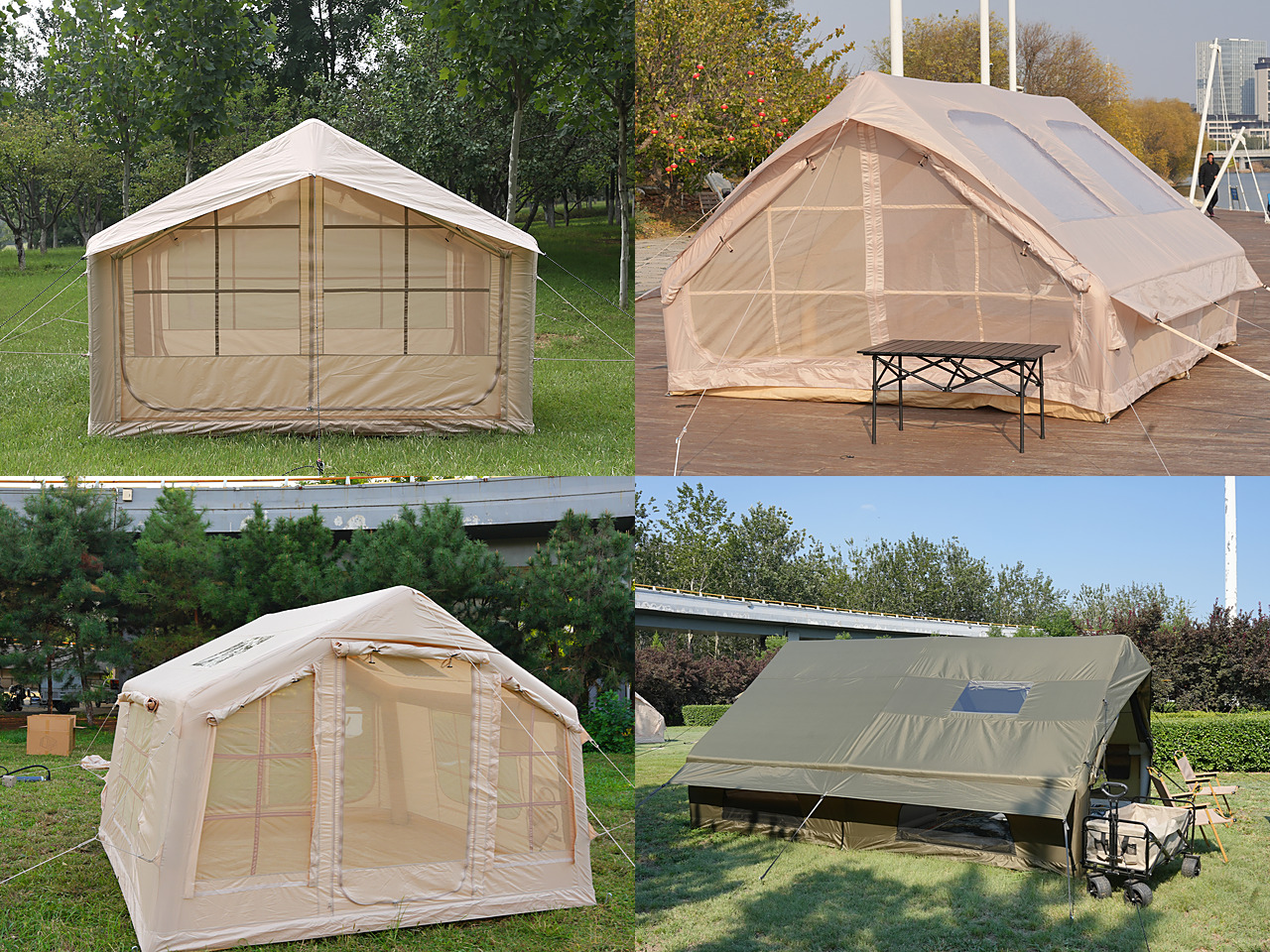
LITAIANTOUR supplies inflatable tents, air tents and glamping tents on a factory-direct basis for campsites, glamping resorts, rental operators and distributors worldwide. If you would like advice on ventilation, groundsheet options or any other specification for your climate and use case, our team is happy to help.
Email: export@cntjtent.com
Contact: Litai
Phone: 15613206703
E-mail: export@cntjtent.com
Whatsapp: +86 15613206703
Add: Tianjin Wuqing District entrepreneurial headquarters base c05