



export@cntjtent.com
+86 15613206703
A successful inflatable glamping site starts with a plan for how guests and staff will use the space. The accommodation must feel comfortable, but it also needs to be practical to clean, inspect and operate. Tent selection, ground preparation, access and utilities should be considered together before a bulk order is placed.
This guide is for campsite owners, resort managers and outdoor accommodation businesses planning a new site or a small pilot installation. It explains how to turn an attractive collection of tents into a workable guest accommodation layout.
Start with the guest rather than the floor plan. A couple staying for one night may need a comfortable bed and sheltered seating. A family staying for several days needs luggage storage, a clear entrance and space to move around beds. A retreat group may place more value on shared outdoor space than on large private rooms.
Write a short brief describing the expected group size, length of stay, operating season and service level. Decide whether bathrooms are shared, whether bedding is included and who handles daily housekeeping. These choices influence tent size, furniture, walking distances and staffing requirements.
Floor area alone does not determine comfort. Measure the actual bed, luggage rack and chairs you intend to buy, then draw them inside the tent footprint. Leave a clear route between the entrance and sleeping area, and check where sloping walls reduce usable height.
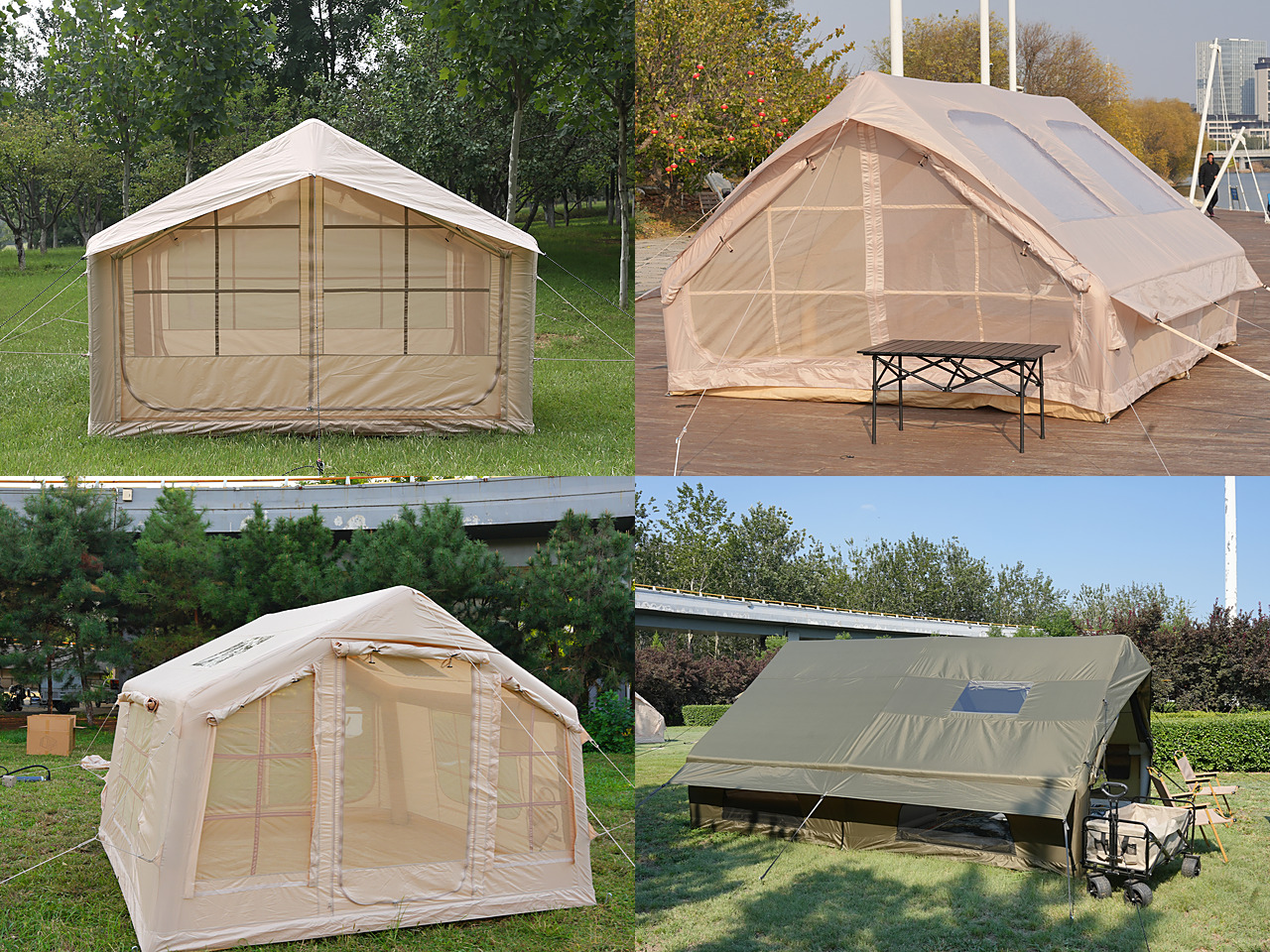
The 6.3, 7.5, 8, 12, 13.68 and 17.28 square metre size options offer different starting points, but they should not be treated as guaranteed occupancy ratings. The exact model dimensions, room divisions and furniture arrangement must be confirmed. A smaller tent can feel well planned, while an oversized bed can make a larger tent awkward to use.
Check standing height where guests dress and enter.
Allow room to open doors and operate windows.
Keep bedding and furniture away from damp outer fabric.
Include space for cleaning and visual inspection.
Mark reception, parking, accommodation, bathrooms, social areas and service storage on the site plan. Guests should be able to find their tent without walking through equipment storage or delivery areas. Staff need a practical route for linen, waste collection and maintenance.
Place noisy gathering spaces with consideration for sleeping areas. Look at the direction of tent entrances and windows so neighbouring guests do not look directly into one another's rooms. Planting, orientation and outdoor seating placement can improve privacy without filling every available area with screens.
Do not use a generic spacing number from a photograph as a construction rule. Establish required separation, emergency access and usable site capacity with the local authority and the professionals responsible for the project.
A scenic location may still be unsuitable for accommodation. Visit after rainfall if possible. Identify puddling, soft ground, runoff paths and areas exposed to falling branches. Check how delivery vehicles and staff will reach the site when the ground is wet.
Direct water away from entrances and avoid creating depressions beneath tent floors. A platform or prepared base can improve the guest experience, but its structure, drainage and anchoring arrangement need to match the location. Adding a deck does not automatically solve runoff or ground stability problems.
The supplier should receive clear information about the proposed base. Ground stakes, deck attachments and ballast are not interchangeable solutions; the fixing arrangement must be suitable for the tent and site.
List the electrical equipment required in each unit, including lighting, charging and any proposed heating or cooling. Have qualified installers plan suitable distribution and protection for outdoor conditions. Cables and equipment should not obstruct entrances or interfere with the fabric and air beams.
Consider the guest journey to bathrooms at night, practical lighting for staff inspections and where drinking water is provided. Utility routes are much easier to coordinate before tents and furniture occupy the site.
Condensation depends on humidity, temperature, occupancy and airflow. Select a window and vent arrangement that can be used in the expected conditions, and show guests how to operate it. Furniture and curtains should not block ventilation openings.
Check the interior in the morning during a trial stay. Look for moisture behind furniture, damp floor edges and areas where bedding touches fabric. Cleaning routines should include drying and airflow, particularly between consecutive bookings.
Give every tent an identification number and an inspection sheet. Between stays, staff should check fabric, floor condition, valves, zippers, anchors, ventilation and furniture before signing the unit back into service. Record faults immediately and make the repair status visible to the booking team.
Keep spare accessories and a suitable pump available. Set aside a practical cleaning and drying area for tents removed from service. A storage bag is useful for transport, but packing damp fabric into it is not a substitute for drying.
Install a small number of units and carry out trial stays. Record setup effort, cleaning time, guest feedback and the effect of weather on access and drainage. Use those observations to adjust your layout and purchasing brief.
Ask your supplier to confirm model dimensions, fabric specification, inflation guidance, fixing requirements, replacement parts and delivery details. Photographs are useful for design inspiration, but an operating plan should be based on the specification of the actual tent ordered.
An inflatable glamping site works best when room layout, ground preparation and daily operations support one another. Start with a realistic pilot, improve the details that staff and guests encounter every day, and expand once the site can deliver the intended experience consistently.
For model selection and wholesale enquiries, email export@cntjtent.com. Include your proposed location, operating season, base type and preferred tent sizes.
Contact: Litai
Phone: 15613206703
E-mail: export@cntjtent.com
Whatsapp: +86 15613206703
Add: Tianjin Wuqing District entrepreneurial headquarters base c05