



export@cntjtent.com
+86 15613206703
An inflatable tent gives you a weatherproof sleeping and living shell. An awning or porch gives you the space around it — a shaded spot for chairs, a dry place to take off wet boots, a mud-free entry for guests. This guide explains the options so you can choose the right outdoor living space, and the right accessories, for your customers or your site.
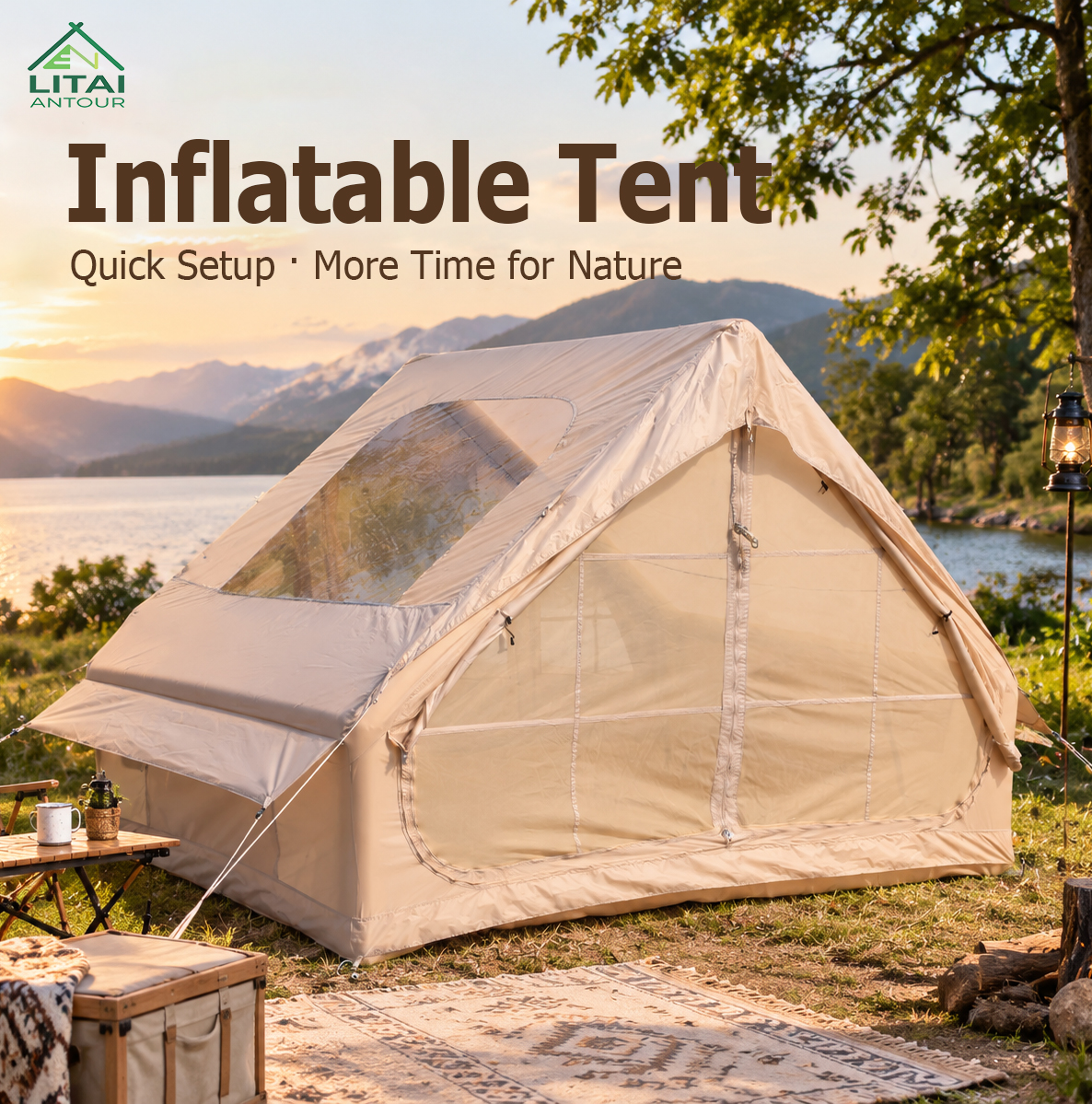
The terms get used loosely, so start by separating them:
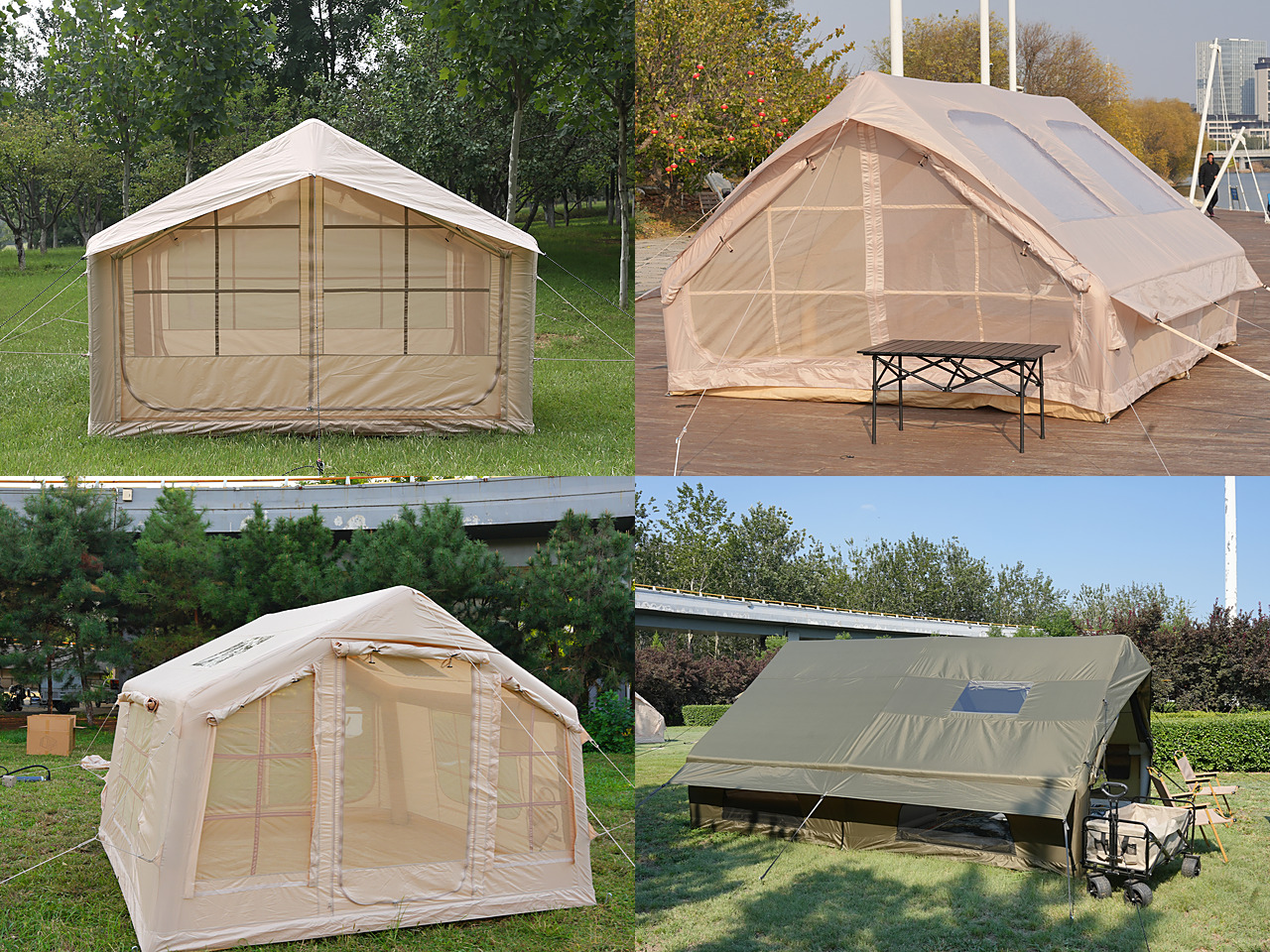
Many inflatable tents include a front vestibule as standard:
A zip-on awning turns a 4-person tent into a small outdoor room:
A separate shade structure beside the tent:
| Factor | Built-in porch | Connected awning | Standalone canopy |
|---|---|---|---|
| Extra purchase | No | Yes | Yes |
| Setup effort | None | Medium | Low |
| Shade area | Small | Medium–large | Large |
| Needs support | No | Beam or poles | Poles/frame |
| Pack size impact | None | Noticeable | Separate item |
This is the detail buyers miss. A built-in porch needs nothing extra. A connected awning usually needs either an integrated air beam (inflates with the tent) or a short pole kit — confirm which your model uses, because the pole kit must ship with the tent or the awning is useless on site. A standalone canopy always needs its own frame.
For a cohesive product, match the awning fabric and colour to the tent. Mismatched shades look like a repair job and hurt resale. If you are a distributor or glamping operator, standardise on one awning colour per tent model so spare parts and replacements stay simple.
An awning adds 1–3 m to the tent's depth or width. Before you promise a layout to a customer or plan a pitch, add that space to your site and ground plan. Awnings also change wind profile — guy them down properly.
For distributors and rental operators, the awning is a natural upsell: it increases the tent's usable value without a bigger tent. Offer it as a bundled option at quotation stage (see our wholesale quote checklist) so buyers price it in from the start rather than requesting it later.
No. A connected awning must match the tent's door shape and zip. Buy the model-specific awning, or choose a universal standalone canopy instead.
A built-in porch adds nothing. A connected awning adds one inflation or pole step. Most teams manage it in a few minutes.
Built-in porch as standard, with optional connected awnings for premium units. Keep spares simple by standardising colours.
Only if misused — e.g. not guying down in wind. Normal use of the supplied awning and supports is covered like the tent itself.
Tell us your tent model, intended use (rental, glamping, retail) and how much extra space your customers expect, and we will recommend the porch, awning or canopy configuration — with the correct support kit included. Contact export@cntjtent.com for a matched quotation.
Contact: Litai
Phone: 15613206703
E-mail: export@cntjtent.com
Whatsapp: +86 15613206703
Add: Tianjin Wuqing District entrepreneurial headquarters base c05