



export@cntjtent.com
+86 15613206703
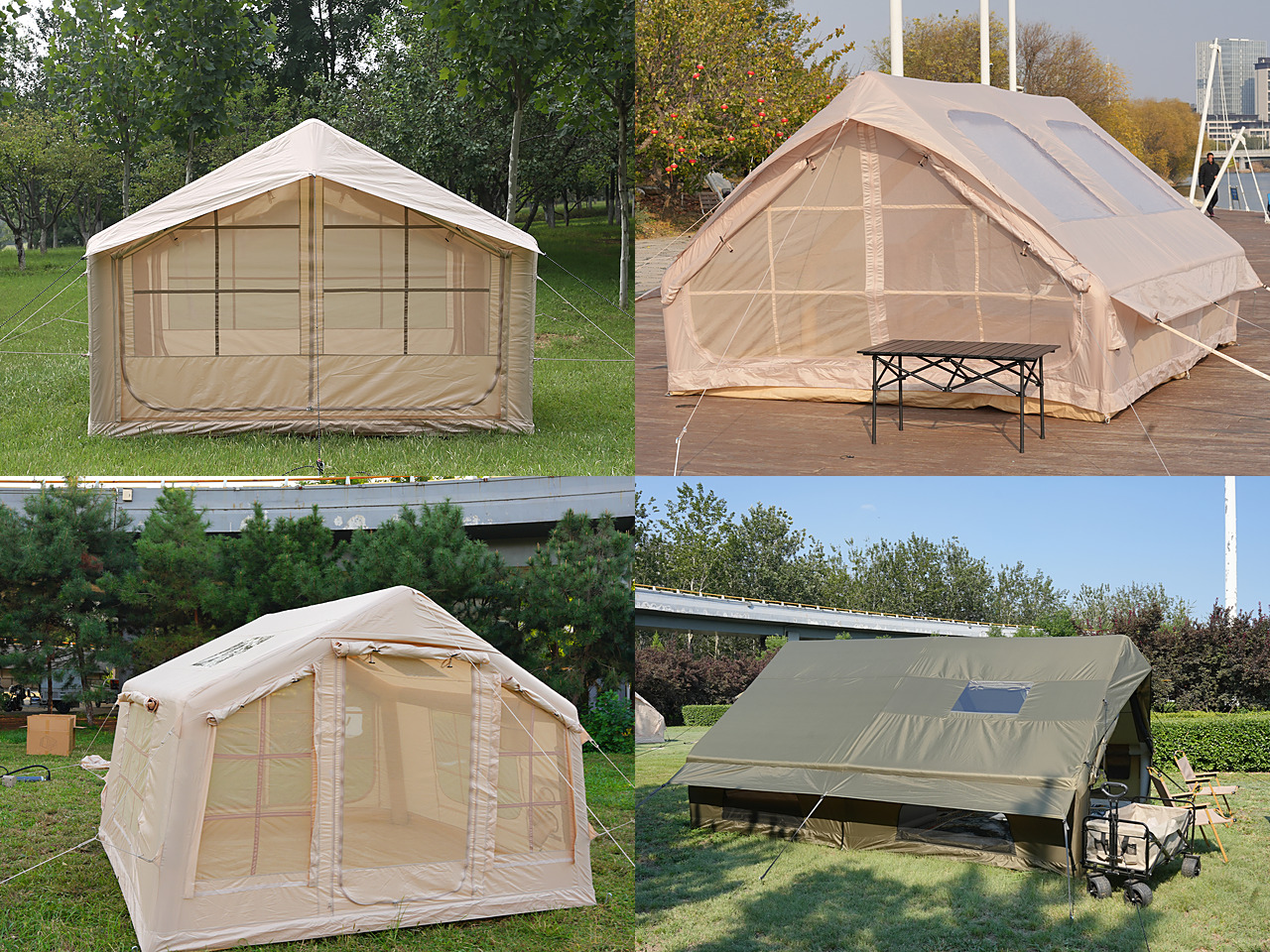
An inflatable tent performs only as well as the ground it sits on. The right pitch protects the floor, keeps the interior dry, gives the air beams something stable to brace against, and makes setup faster for your team. This guide covers how to choose and prepare a pitch for an inflatable tent — ground type, drainage, exposure and the practical space you need before you peg out.

Unlike a frame tent that stands on rigid poles, an inflatable tent relies on stable, evenly supported air beams. If the ground is uneven, sharp or waterlogged, the tent works harder, wears faster and feels less comfortable inside. A few minutes of site judgement saves hours of trouble during a booking season.
Grass is the most common and usually the kindest surface:
Campsites and event yards often use gravel or compacted hardcore:
Glamping pods and fixed pitches frequently use a platform:
Water flows downhill, and a tent in a dip becomes a paddling pool. Before you commit a pitch:
Inflatable tents are stable, but siting still matters:
The tent's footprint is only part of the requirement. Allow for:
A groundsheet or footprint under the tent protects both your investment and the grass below. It keeps the floor clean, reduces abrasion, and means you can lift and check the underside quickly. For seasonal pitches, periodic lifting prevents grass death and reveals ground issues early.
A damp, poorly drained pitch is a leading cause of interior moisture (covered in our condensation guide). A raised, dry, well-ventilated pitch is the first line of defence — before you even think about ventilation settings.
Yes, with ballast or screw anchors instead of pegs, and a groundsheet to protect the floor. Avoid dragging the tent across the surface.
Minor slope is fine and even helpful for drainage. Large slopes make doors and beds awkward — use a platform or choose a flatter spot.
For stability in wind, yes. Even if the air beams stand on their own, guying reduces movement and protects the seams.
Pitching in a flat low spot because it "looks tidy" — then discovering it is the site's natural drain after the first rain.
If you are planning a campsite, glamping unit or outdoor hospitality pitch, tell us your ground type, typical weather and how often you pack down. We will recommend a model and floor/groundsheet configuration that fits. Contact export@cntjtent.com with your site details.
Contact: Litai
Phone: 15613206703
E-mail: export@cntjtent.com
Whatsapp: +86 15613206703
Add: Tianjin Wuqing District entrepreneurial headquarters base c05