How to Write a Tent RFQ That Gets an Accurate Quote Within 24 Hours
How to Write a Tent RFQ That Gets an Accurate Quote Within 24 Hours
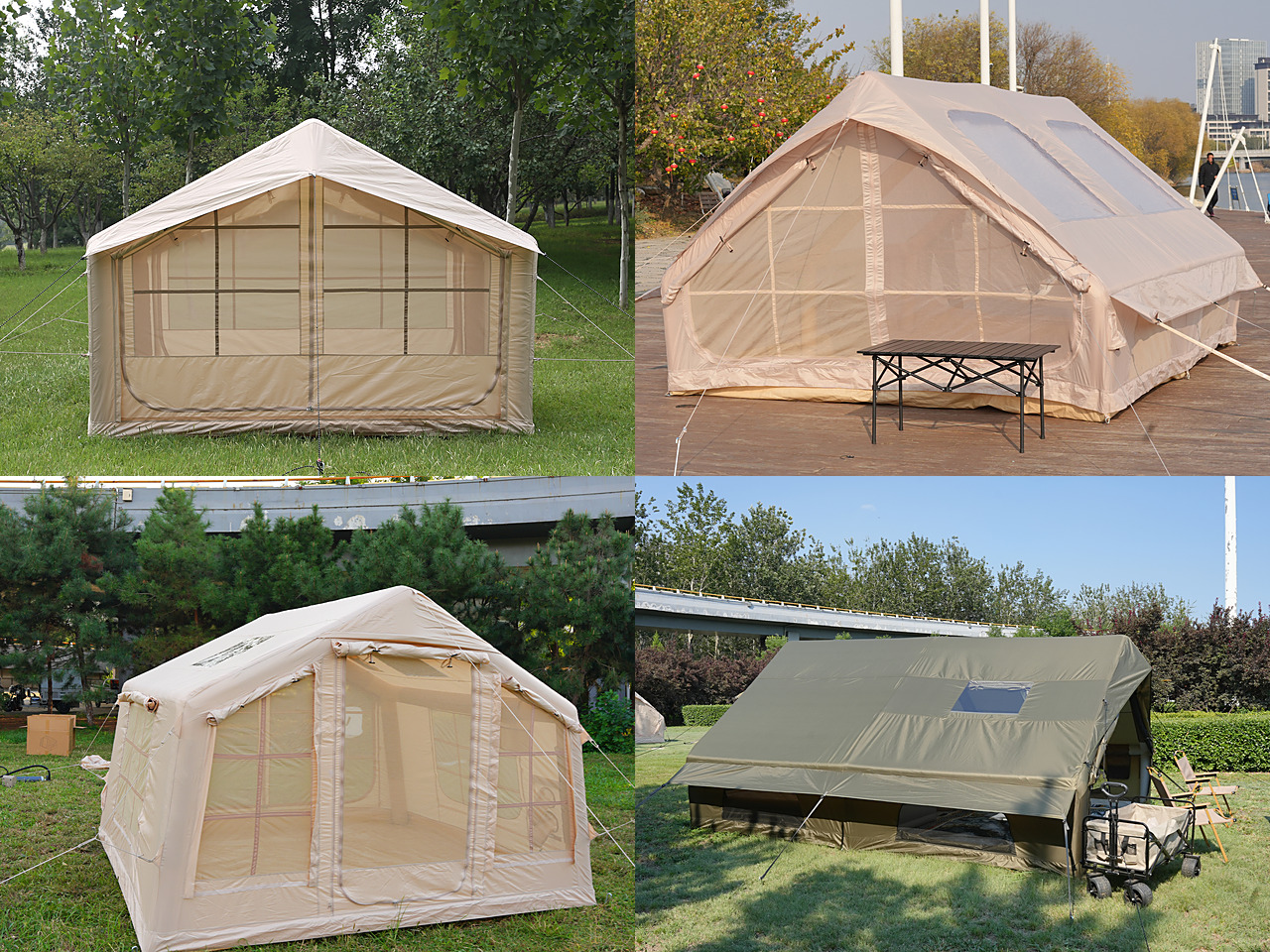
Ask five factories for a “price on an inflatable tent” and you will get five numbers that cannot be compared — because each one is quoting a different product. The single cheapest thing a buyer can do to shorten a sourcing cycle is to write a request for quotation that actually specifies the product. This article sets out the twelve fields that let a manufacturer quote in one round instead of five, and shows what a good versus a vague specification looks like in practice.
Send your requirement to export@cntjtent.com and you will receive a line-item quotation, not a single number.
1. Why a Vague RFQ Produces a Useless Quote
When specification fields are missing, the factory has to guess — and it will guess towards the cheapest interpretation so the first number looks competitive. The consequences show up later:
- The quoted price assumes a lighter fabric than you expected, and the realistic price appears only after you complain.
- Two suppliers quote different air structures (individual tubes vs a drop-stitch frame), so you compare prices for different products.
- The quote excludes accessories, printing or packaging you assumed were included.
- Lead time is quoted for a stock model, not for your custom colour.
A precise RFQ removes all four problems before they start.
2. The Twelve Fields to Include
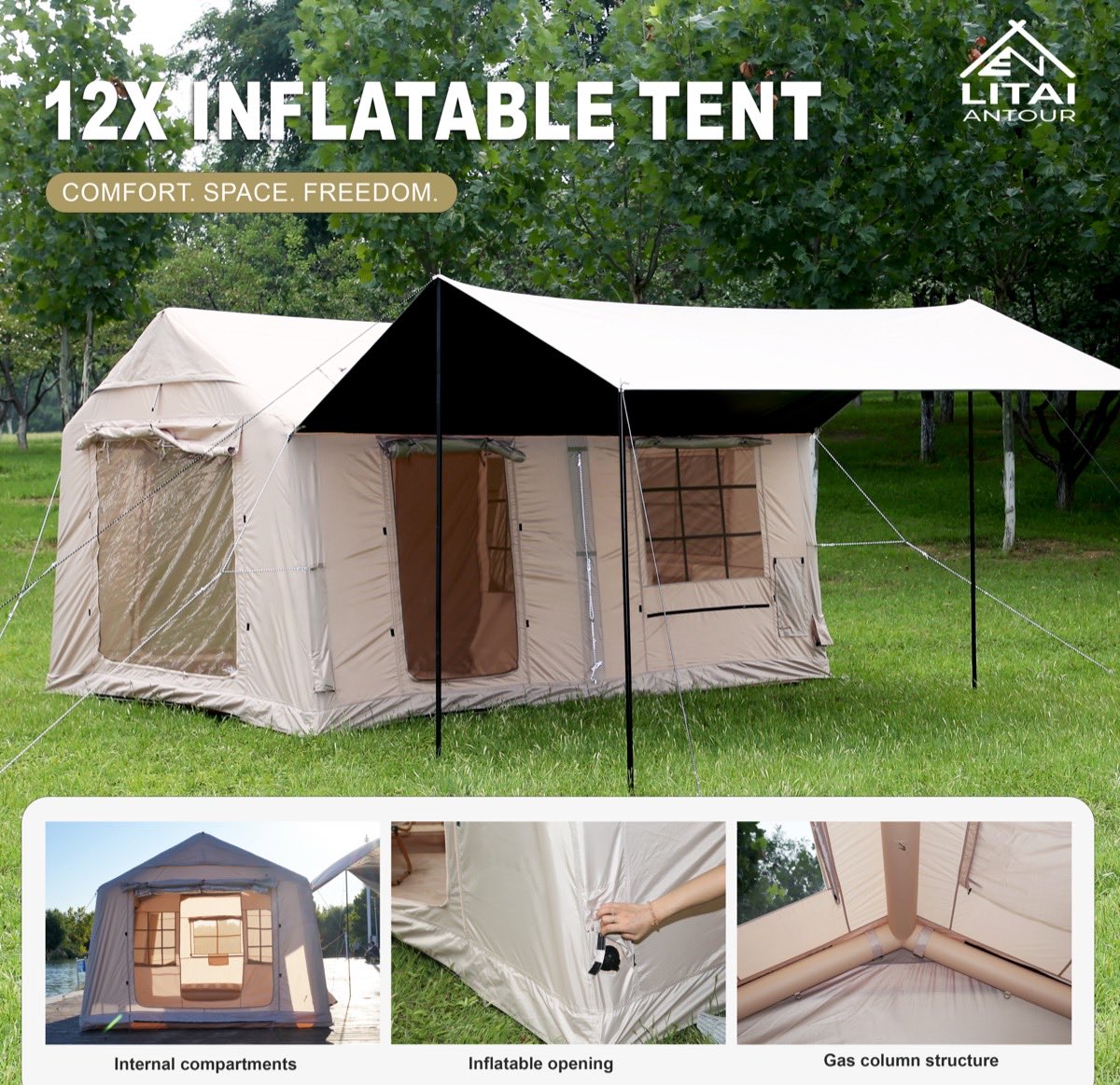
- Tent type and use case. Camping, glamping, trade-show, event shelter or emergency use — the use case drives the whole specification.
- Inflated dimensions or floor area. Metres, or the target capacity (two-person, family, two-bed glamping).
- Internal layout. Number of rooms, door positions, window and mesh panel requirements, awning or porch.
- Shell material and weight. PVC tarpaulin or oxford, with GSM or denier if you know it; if not, ask for two grades to be quoted side by side.
- Air structure. Individual air tubes or drop-stitch frame, and the number of independent chambers you require.
- Colour. Mill-stock colour or custom; state the Pantone or send a reference if you have one.
- Branding. Logo position, size and print method (screen, heat transfer or digital), plus whether the carry bag is printed too.
- Valves and pump. Valve type, and whether a hand, foot or electric pump is expected in the box.
- Accessories. Repair kit, guy lines, pegs, stakes, carry bag specification.
- Packaging. Plain export carton or retail box; whether you need barcodes, multi-language manuals or hangtags.
- Quantities. Units per model, and whether models can be mixed to reach a fabric minimum. Also state the follow-up annual volume if you have a forecast — it changes the pricing basis.
- Market, certification and delivery terms. Destination market (drives the certification route), required documents, and whether you want EXW, FOB or CIF pricing.
3. Vague vs Specific: The Same Request
| Field | Vague (slow, unusable) | Specific (one-round quote) |
|---|
| Product | “Inflatable tent, good quality” | “Glamping inflatable tent, 6.3 m², one room plus front awning” |
| Material | “Waterproof fabric” | “420D oxford shell, 3000 mm hydrostatic head; PVC groundsheet” |
| Colour | “Beige” | “Beige close to Pantone 4685 U, mill-stock preferred” |
| Branding | “Our logo” | “One-colour screen print, 120 mm, on both side panels and carry bag” |
| Quantity | “About 200” | “200 units, two models mixable (120 + 80), repeat 600/yr” |
| Terms | “FOB price” | “FOB Tianjin, certification for EU market, carton spec 5-ply” |
4. What to Expect Back — and By When
A manufacturer can usually return a line-item quotation within 24 hours if the specification above is complete. Expect the response to separate:
- Unit price by quantity break (trial quantity vs full volume).
- Tooling or setup charges, if printing plates or new moulds are needed — stated separately, not buried in the unit price.
- Sample cost and lead time, plus whether the sample fee is credited against the bulk order.
- Production lead time measured from sample approval and deposit, not from the date you asked.
- Quote validity — typically 30 days, because fabric and PVC prices move.
5. Four Mistakes That Add Weeks
- Asking for a price before a specification, then renegotiating after the specification arrives.
- Sending the same RFQ to fifteen factories — you will spend more time filtering than sourcing.
- Not stating the destination market, so the certification path (and its cost) is decided late.
- Hiding the quantity, which removes the supplier's ability to quote the right price basis.
6. Send It Once, Send It Right
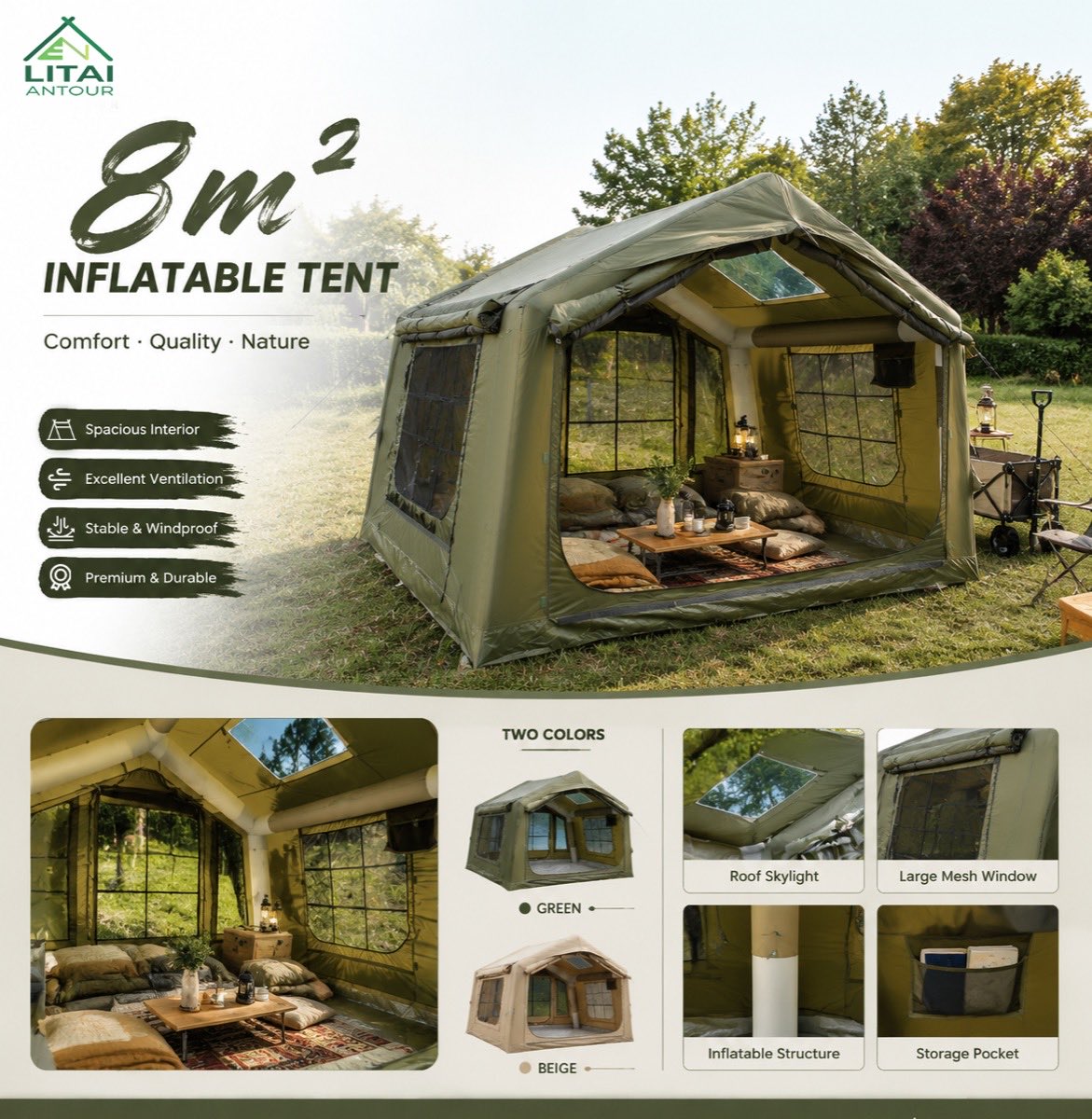
If you would rather not build the document from scratch, send the twelve points above as a numbered list — even in an email body — to export@cntjtent.com. LITAIANTOUR manufactures inflatable camping, glamping and trade-show tents in Tianjin, China, and supports OEM/ODM programmes from sample through bulk shipment; a complete RFQ is the fastest way to get a price you can actually budget against.