



export@cntjtent.com
+86 15613206703
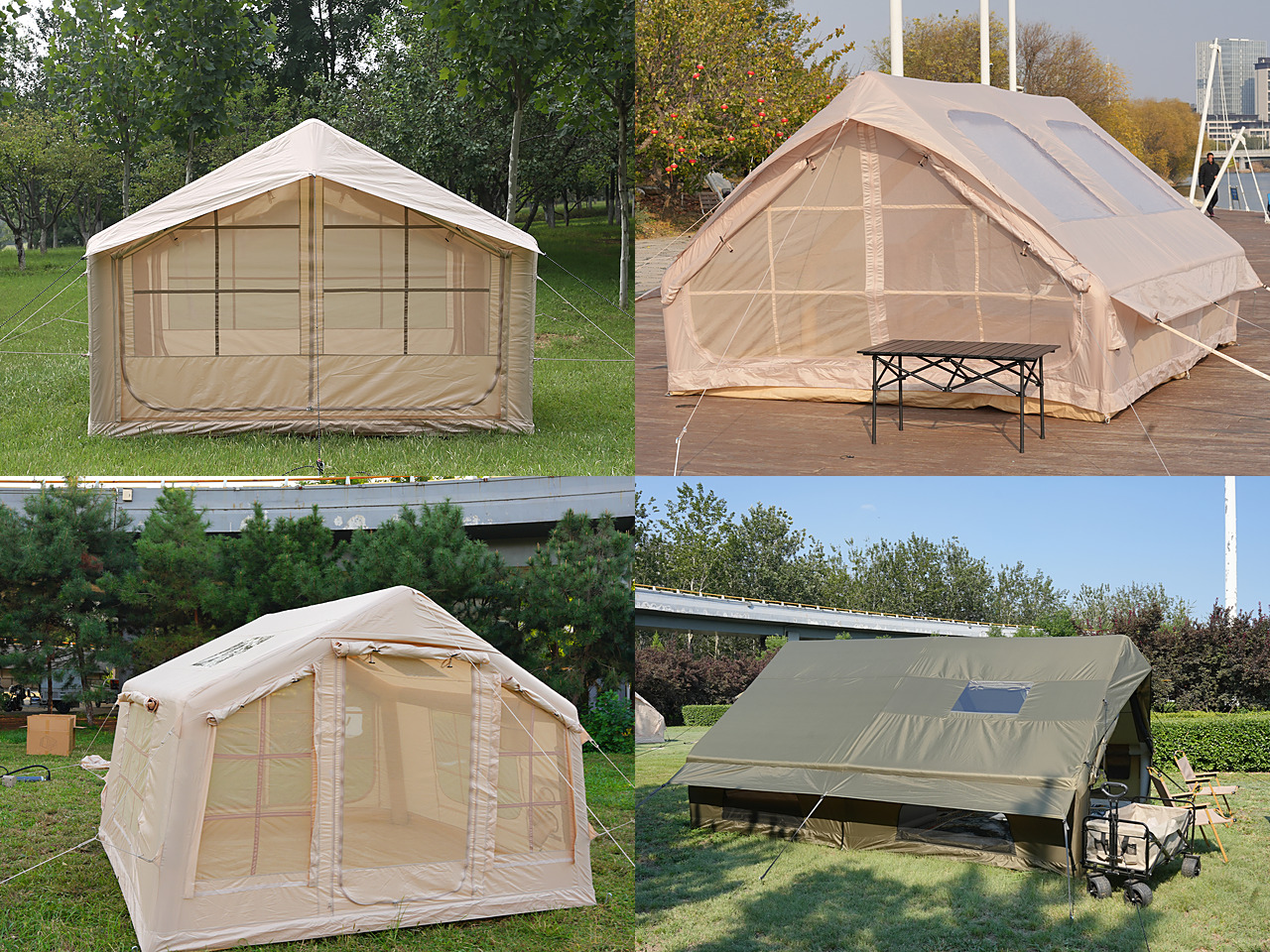
When you source inflatable tents for resale, rental or a glamping project, the sample is the single most useful thing you can ask for. It is the only point in the buying process where you can check the real product before committing to a full container. This guide explains how to evaluate an inflatable tent sample from a buyer's point of view — what to check, what to record, and how to confirm that the bulk order will match what you are holding.

A specification sheet tells you what the factory intended to build. A sample tells you what they actually build. The gap between the two — in fabric weight, seam finishing, zipper quality, air-beam stiffness and accessory completeness — is exactly where bulk-order problems start. Spending a few hours on a sample now prevents a container of disappointments later.
Before you even inflate it, sit down with your purchase order and the sample. Tick off each line:
Photograph every tag, label and stitched specification mark. If a value differs from the PO, note it in writing before you go further.
Pitch the sample exactly as your end customer would — not in a showroom with help, but on the ground, by the person who will actually use it. This surfaces real issues:
Specifications list external dimensions. What matters commercially is the usable space. Bring the actual items your customers will place inside:
This step is where "looks big on paper" turns into "fits our standard set-up" or "we need the next size up".
While testing, keep a short log: setup time, pump used, pressure reached, any difficulty, and how long it stayed firm. This record does two jobs. First, it becomes your training note for staff or customers. Second, it is your benchmark — the bulk units should perform the same way.
The most important question a buyer can ask: "Will the bulk order be identical to this sample?" Get it in writing:
A reputable manufacturer will welcome this. It protects both sides and removes arguments later.
Be realistic. A hand-made sample and a production line are not always 1:1. Minor cosmetic variations are normal; structural, fabric or size differences are not. Decide in advance which items are "must match" (fabric, size, beam spec, safety features) and which are "acceptable variation" (small stitching marks, slight colour tone). Put that list in the order confirmation.
If the sample meets the agreed standard, you have the confidence to place the bulk order and can reference the sample in your quality acceptance. If it fails on a "must match" item, send clear photos and your notes back to the supplier and request a corrected sample before paying a deposit on production.
Most factories charge for the sample but deduct it from your first bulk order. It is a reasonable cost that pays for itself by de-risking the container.
Typically 7–15 days plus shipping, depending on customisation. Ask for a realistic date and track it, because it sets your bulk-order timeline.
Yes — that is the point. A calm indoor check tells you little. Test in wind and rain if you can, and record how it behaves.
If your order confirmation names the sample as the reference standard, you have grounds to discuss replacement or compensation. Keep the sample as your evidence.
A good sample check turns guesswork into a confident order. If you want a sample of our inflatable tents — air tents, glamping tents, air-beam cabins or custom OEM/ODM units — send us your specification and we will prepare one matched to your market. Contact export@cntjtent.com and tell us your intended use, target size and quantity.
Related reading: How to Request an Inflatable Tent Wholesale Quote and Packing & Shipping for Wholesale Buyers.
Contact: Litai
Phone: 15613206703
E-mail: export@cntjtent.com
Whatsapp: +86 15613206703
Add: Tianjin Wuqing District entrepreneurial headquarters base c05